
Types of Spiritual Healing: All you need to know
Spiritual healing is a broad and multifaceted concept that encompasses various practices aimed at restoring balance, harmony, and well-being to an individual’s mind, body, and spirit.
It is rooted in the belief that humans are more than physical beings—that they have an energetic or spiritual essence that can influence their overall health.
Spiritual healing is often complementary to conventional medical treatments and is used to address emotional, mental, and physical imbalances by tapping into spiritual or energetic dimensions.
Below is an exploration of the main types of spiritual healing, their principles, methods, and key considerations, tailored to provide a comprehensive understanding within the requested 1500-word framework.
What is Spiritual Healing?
Spiritual healing operates on the premise that energy flows through all living beings and that disruptions in this energy can lead to physical, emotional, or mental distress.
Practitioners believe that by channeling, balancing, or cleansing this energy, they can facilitate healing. Unlike conventional medicine, which focuses primarily on physical symptoms, spiritual healing addresses the holistic nature of a person, often incorporating belief systems, faith, or connection to a higher power, universal energy, or inner consciousness.
It is practiced across cultures and traditions, with methods varying widely depending on spiritual, religious, or cultural frameworks.
Spiritual healing is not a one-size-fits-all approach. It can be deeply personal, tied to an individual’s beliefs, culture, or spiritual practices. While some methods are rooted in ancient traditions, others are modern adaptations. Below are the primary types of spiritual healing, their techniques, and their underlying principles.
1. Energy Healing
Energy healing is one of the most widely recognized forms of spiritual healing. It is based on the idea that the body has an energy field (often called an aura or biofield) that can be manipulated to promote healing. Disruptions or blockages in this energy field are believed to cause illness or emotional distress.
Key Types of Energy Healing:
- Reiki: Originating in Japan, Reiki involves a practitioner channeling universal life force energy through their hands to the recipient, either by light touch or hovering over the body. It aims to balance the body’s energy centers (chakras) and promote relaxation, stress relief, and healing. Reiki is widely used for emotional healing, pain relief, and stress reduction.
- Chakra Healing: Rooted in ancient Indian traditions, chakra healing focuses on balancing the seven major energy centers (chakras) in the body. Techniques include meditation, visualization, sound therapy (e.g., using singing bowls), or the use of crystals to align and cleanse these energy points.
- Pranic Healing: This no-touch energy healing system, developed in the Philippines, involves cleansing and energizing the aura using prana (life energy). Practitioners manipulate energy fields to remove stagnant or negative energy and restore vitality.
- Quantum Healing: A modern approach that blends quantum physics concepts with energy healing. It emphasizes the power of consciousness and intention to influence physical and emotional health, often through visualization or guided meditation.
What to Know:
Energy healing is non-invasive and often used as a complementary therapy. Practitioners may require training or attunement (e.g., in Reiki), but self-healing practices like meditation or breathwork are accessible to anyone. Skeptics question the scientific basis of energy healing, as evidence is largely anecdotal, though studies suggest benefits like reduced stress and improved mood. Always seek qualified practitioners and combine with medical care for serious conditions.
2. Shamanic Healing
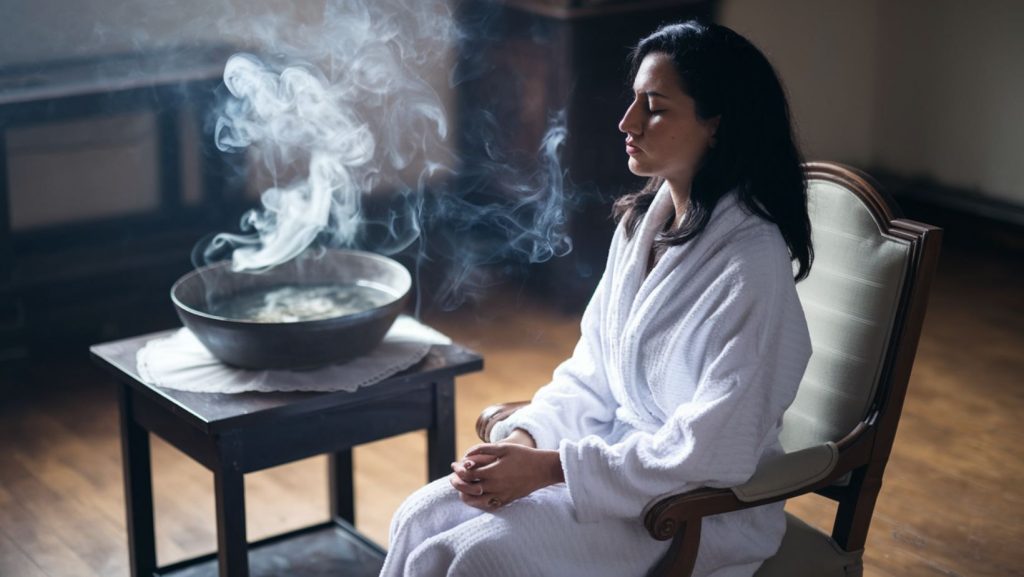
Shamanic healing is rooted in indigenous and ancient traditions, where a shaman or spiritual guide acts as an intermediary between the physical and spiritual worlds. It is practiced in cultures worldwide, including Native American, Siberian, and Amazonian traditions.
Key Practices:
- Soul Retrieval: Shamans believe that trauma or emotional distress can cause parts of the soul to fragment or “leave” the body. Soul retrieval involves journeying (often through trance or drumming) to recover these lost fragments and restore wholeness.
- Energy Clearing: Shamans may remove negative energies or spiritual intrusions from a person’s energy field using rituals, smudging (burning sage or other herbs), or chanting.
- Plant Medicine Ceremonies: In some traditions, shamans use sacred plants like ayahuasca or peyote to facilitate spiritual journeys, cleanse the body, and connect with higher consciousness.
What to Know:
Shamanic healing is deeply ceremonial and requires a skilled practitioner with cultural knowledge or training. It can be intense, especially with plant medicines, which may have psychological or physical risks. Respect for the cultural origins of these practices is crucial, as is ensuring the practitioner is ethical and experienced. This form of healing is often sought for trauma, spiritual disconnection, or personal transformation.
3. Faith-Based or Religious Healing
Faith-based healing involves invoking divine or spiritual forces to facilitate healing, often within the context of organized religion or personal spirituality. It is common in Christianity, Islam, Hinduism, and other faiths.
Key Practices:
- Prayer and Intercession: Practitioners or individuals pray to a deity, higher power, or spiritual entity for healing. This may involve laying on of hands, anointing with oil, or group prayer sessions.
- Faith Healing Services: In some Christian traditions, charismatic healers lead services where they channel divine energy to heal physical or emotional ailments, often through touch or prayer.
- Meditation and Devotion: In Hinduism or Buddhism, chanting mantras, meditating on divine qualities, or performing rituals can promote spiritual and physical well-being.
What to Know:
Faith-based healing is deeply tied to personal belief systems. Its effectiveness often depends on the individual’s faith or openness to the process. While many report profound experiences, scientific evidence is limited, and results vary. This approach is best integrated with medical care, especially for serious conditions. Be cautious of practitioners who promise miraculous cures or discourage conventional treatment.
4. Sound and Vibrational Healing
Sound healing uses vibrations from instruments, voices, or frequencies to restore balance to the body and mind. It is based on the idea that sound waves can influence energy fields and promote healing.
Key Practices:
- Sound Baths: Practitioners use instruments like Tibetan singing bowls, gongs, or tuning forks to create harmonic vibrations that induce relaxation and balance energy.
- Mantra Chanting: In traditions like Hinduism or Buddhism, repeating sacred sounds (e.g., “Om”) is believed to align the body’s energy and connect with divine forces.
- Binaural Beats: Modern sound healing uses audio frequencies to influence brainwaves, promoting relaxation, focus, or emotional release.
What to Know:
Sound healing is accessible and non-invasive, often used for stress relief, anxiety reduction, and meditation. Scientific studies suggest that sound therapy can lower cortisol levels and improve mood. Sessions are available in group or individual settings, and self-guided practices (e.g., listening to binaural beats) are widely accessible online. Ensure practitioners use high-quality instruments and have experience for optimal results.

5. Crystal and Gemstone Healing
Crystal healing involves placing specific stones or crystals on or around the body to harness their purported energetic properties. Each crystal is believed to have unique vibrations that interact with the body’s energy field.
Key Practices:
- Crystal Placement: Crystals like amethyst (for calm), rose quartz (for love), or clear quartz (for clarity) are placed on chakras or worn as jewelry to promote healing.
- Crystal Grids: Arranging crystals in specific patterns to amplify their energy for healing or manifestation.
- Meditation with Crystals: Holding or focusing on crystals during meditation to enhance spiritual connection or emotional balance.
What to Know:
Crystal healing is popular for its simplicity and aesthetic appeal but lacks robust scientific evidence. Benefits may stem from placebo effects or the meditative focus involved. Choose crystals that resonate with you, and source them ethically to avoid environmentally harmful mining practices. It’s a gentle practice suitable for self-exploration or as a complement to other therapies.
6. Meditation and Mindfulness-Based Healing
Meditation and mindfulness practices focus on cultivating inner peace, awareness, and connection to the self or a higher power. These practices are often spiritual in nature, even if secular in application.
Key Practices:
- Guided Meditation: Visualizations or guided journeys to release emotional blockages, connect with spiritual guides, or promote healing.
- Mindfulness Meditation: Focusing on the present moment to reduce stress and foster emotional resilience, often rooted in Buddhist practices like Vipassana.
- Transcendental Meditation: Using a mantra to transcend thought and connect with universal consciousness.
What to Know:
Meditation is backed by extensive research showing benefits for mental health, stress reduction, and even physical conditions like hypertension. It’s accessible to all, with countless free resources online. Consistency is key, and beginners may benefit from guided sessions or apps. This practice is highly adaptable to personal beliefs and needs.
Key Considerations for Spiritual Healing
- Complementary Nature: Spiritual healing should complement, not replace, conventional medical treatment. Always consult healthcare professionals for serious conditions.
- Cultural Sensitivity: Many practices, like shamanic or indigenous healing, are rooted in specific cultural traditions. Respect their origins and avoid appropriation.
- Practitioner Credibility: Seek trained, ethical practitioners with verifiable credentials or recommendations. Be wary of those promising guaranteed results.
- Personal Belief: The effectiveness of spiritual healing often depends on your openness and belief in the process. Explore practices that align with your values.
- Safety: Some practices, like plant medicine ceremonies, carry risks (e.g., psychological distress or drug interactions). Research thoroughly and ensure a safe environment.
- Accessibility: Many spiritual healing practices, like meditation or crystal work, can be self-taught or accessed affordably, while others (e.g., Reiki or shamanic sessions) may require paid practitioners.
Benefits and Limitations
Benefits:
- Promotes relaxation, stress relief, and emotional balance.
- Enhances self-awareness and spiritual connection.
- Can be empowering, fostering a sense of agency in one’s healing journey.
- Often accessible and adaptable to individual needs.
Limitations:
- Limited scientific evidence for many practices, with benefits often subjective.
- Risk of exploitation by unqualified or unethical practitioners.
- May not address severe medical conditions without conventional treatment.
- Cultural appropriation or misrepresentation can occur in some practices.
Getting Started
To explore spiritual healing:
- Reflect on your goals (e.g., stress relief, emotional healing, spiritual growth).
- Research practices that resonate with your beliefs or interests.
- Start with accessible methods like meditation or sound healing, which require minimal investment.
- Contact us for guidance, especially for complex practices like shamanic healing.
- Approach with an open mind but maintain critical discernment.
Conclusion
Spiritual healing offers a diverse array of practices to support holistic well-being, from energy-based methods like Reiki to ancient traditions like shamanic healing.
While rooted in different philosophies, these approaches share a common goal: restoring balance and fostering connection to the self, others, or a higher power.
By understanding the principles, benefits, and limitations of each type, you can choose practices that align with your needs and beliefs.
Always integrate spiritual healing with conventional care when needed, and approach it with curiosity, respect, and discernment for a safe and enriching experience.

