
Top 8 Herbal Medicine for Cough & How to Use them
Herbal medicine for cough has been used for centuries to address various ailments, including coughs, which can stem from colds, flu, allergies, or respiratory infections.
Herbal remedies offer a natural approach to soothing cough symptoms, often with fewer side effects than pharmaceutical options, though they require careful consideration for safety and efficacy.
Below, I outline key aspects of using herbal medicine for coughs, including effective herbs, preparation methods, mechanisms, safety concerns, and practical considerations, aiming for a comprehensive overview in approximately 900 words.
Common Herbal Medicine for Cough Relief
Several herbs are traditionally used to alleviate coughs, each with unique properties that target different cough types—dry, productive (wet), or spasmodic. Here are some of the most effective:
Thyme (Thymus vulgaris)
Thyme is a potent expectorant and antimicrobial, ideal for productive coughs associated with infections. Its volatile oils, like thymol, help loosen mucus and fight bacteria or viruses.
A 2018 study showed thyme combined with ivy reduced cough frequency in bronchitis patients more effectively than placebo.
Licorice Root (Glycyrrhiza glabra)
Licorice is a demulcent, forming a soothing coating over the throat, which helps with dry, irritating coughs. It also has anti-inflammatory and expectorant properties.
However, long-term use can raise blood pressure due to glycyrrhizin, so deglycyrrhizinated licorice (DGL) is safer for prolonged use.
Marshmallow Root (Althaea officinalis)
Another demulcent, marshmallow root soothes irritated throats and reduces dry coughs. Its mucilage content creates a protective layer, easing inflammation. It’s often combined with other herbs like licorice for synergistic effects.
Ginger (Zingiber officinale)
Ginger’s warming properties and anti-inflammatory compounds (gingerols) make it effective for coughs tied to colds. It stimulates circulation and helps clear respiratory congestion. Fresh ginger tea with honey is a common remedy.
Mullein (Verbascum thapsus)
Mullein is excellent for both dry and wet coughs. It acts as an expectorant, helping expel mucus, and soothes irritated tissues. It’s often used as a tea or tincture for respiratory issues like bronchitis.
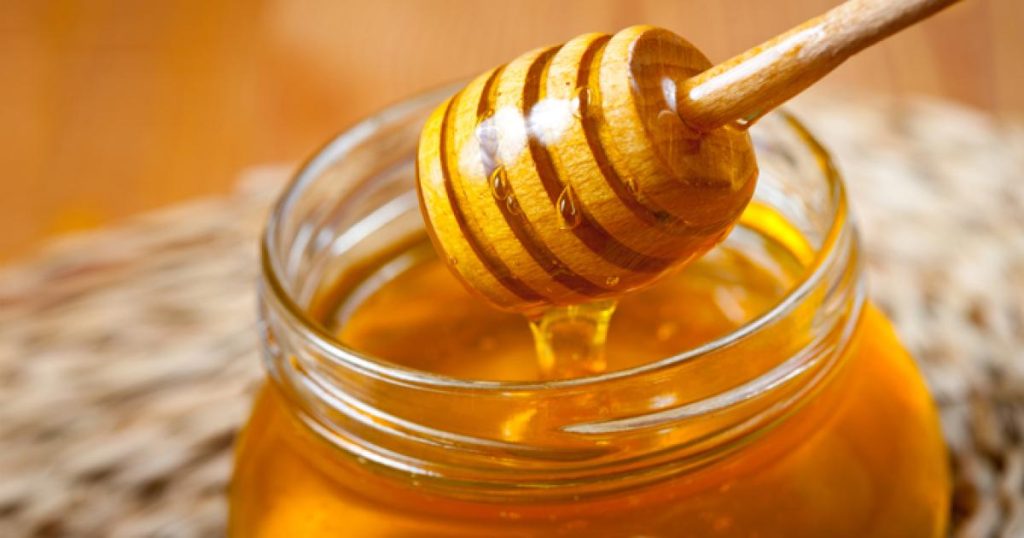
Honey
While not an herb, honey is a powerful cough suppressant, often outperforming over-the-counter drugs like dextromethorphan in studies (e.g., a 2007 study in children). It soothes the throat and has antimicrobial properties, making it a staple in herbal cough remedies.
Peppermint (Mentha piperita)
Peppermint contains menthol, which relaxes bronchial muscles and eases breathing, particularly for spasmodic coughs. It’s commonly used in teas or as an essential oil in steam inhalation.
Elderberry (Sambucus nigra)
Elderberry is antiviral and immune-boosting, effective for coughs caused by viral infections like the flu. A 2019 meta-analysis found elderberry reduced flu symptoms significantly when taken early.
How These Herbs Work
Herbs address coughs through various mechanisms:
- Expectorants (e.g., thyme, mullein): Thin and loosen mucus, making it easier to expel.
- Demulcents (e.g., licorice, marshmallow): Soothe irritated mucous membranes, reducing cough reflex triggers.
- Antimicrobials (e.g., thyme, honey): Combat underlying infections causing coughs.
- Anti-inflammatories (e.g., ginger, licorice): Reduce throat and lung inflammation.
- Antitussives (e.g., honey): Suppress the cough reflex, particularly for dry, nonproductive coughs.
These actions target symptoms and, in some cases, root causes like infections, offering a holistic approach compared to single-action pharmaceuticals.
Preparation Methods
Herbal remedies can be prepared in several forms, depending on the herb and desired effect:
- Teas/Infusions: Steep 1–2 teaspoons of dried herbs (e.g., thyme, marshmallow) in hot water for 10–15 minutes. For fresh ginger, slice 1–2 inches and simmer. Add honey for extra soothing. Drink 2–3 cups daily.
- Tinctures: Alcohol-based extracts (e.g., mullein, licorice) are concentrated and taken in small doses (5–10 drops in water, 2–3 times daily). Check with a herbalist for correct dosing.
- Syrups: Combine herbs like elderberry or thyme with honey or sugar to make a palatable syrup. A typical dose is 1–2 teaspoons every few hours.
- Steam Inhalation: Add 2–3 drops of peppermint or eucalyptus essential oil to hot water, inhale the steam for 5–10 minutes to open airways.
- Lozenges: Homemade or store-bought lozenges with licorice, honey, or slippery elm soothe throats on the go.
Dosage and Administration
Dosing depends on the herb, preparation, and individual factors like age and health. General guidelines:
- Adults: 1–2 cups of tea or 1–2 teaspoons of syrup every 4–6 hours, not exceeding 6 doses daily.
- Children: Reduce doses (e.g., ½ teaspoon syrup for ages 2–6, 1 teaspoon for ages 6–12). Avoid honey for children under 1 due to botulism risk.
- Tinctures: Follow label instructions or consult a herbalist, as potency varies.
Always start with a small dose to test for allergies, and consult a healthcare provider for children, pregnant individuals, or those with chronic conditions.
Safety and Precautions
While herbal remedies are generally safe, they’re not risk-free:
- Allergies: Some herbs (e.g., chamomile) may cause allergic reactions, especially in those sensitive to ragweed.
- Drug Interactions: Licorice can interact with blood pressure medications, and ginger may thin blood, affecting anticoagulants. Consult a doctor if on medications.
- Contraindications: Avoid licorice in hypertension or kidney issues; peppermint may worsen acid reflux.
- Quality Control: Use high-quality, organic herbs from reputable sources to avoid contaminants. Essential oils should be therapeutic-grade and diluted properly.
- Duration: Limit use to 1–2 weeks for acute coughs. Persistent coughs (lasting over 3 weeks) require medical evaluation to rule out serious conditions like pneumonia or asthma.
Evidence and Efficacy
Scientific support for herbal cough remedies varies. Honey has strong evidence, with studies showing it reduces nighttime coughing in children better than some drugs. Thyme and elderberry have moderate evidence, particularly for bronchitis and flu-related coughs. Marshmallow and mullein rely more on traditional use, with limited but promising studies. The placebo effect may also play a role, as soothing teas and syrups provide comfort, enhancing perceived relief.
Practical Considerations
- Choosing the Right Herb: Match the herb to the cough type. Use expectorants (thyme, mullein) for wet coughs, demulcents (licorice, marshmallow) for dry coughs, and antivirals (elderberry) for infection-related coughs.
- Combinations: Blends like thyme-licorice tea or honey-ginger syrup often work better than single herbs due to complementary actions.
- Lifestyle Support: Pair herbs with hydration, rest, and steam inhalation for better results. Avoid irritants like smoke or allergens.
- When to See a Doctor: Seek medical advice for coughs with fever, chest pain, shortness of breath, or blood, as these may indicate serious conditions.
Cultural and Historical Context
Herbal cough remedies are rooted in global traditions—Ayurveda uses ginger and tulsi, Traditional Chinese Medicine employs licorice and loquat, and Western herbalism favors thyme and mullein.
These practices reflect centuries of trial and error, often validated by modern science. For example, thymol in thyme is now a key ingredient in some commercial cough syrups.
Where to Source Herbs
Purchase herbs from trusted suppliers like Mountain Rose Herbs, Starwest Botanicals, or local apothecaries. For convenience, pre-made herbal cough syrups or teas are available at health food stores, but check for additives. Growing herbs like thyme or peppermint at home is a cost-effective, fresh option.
Conclusion
Herbal medicine offers a natural, accessible way to manage coughs, with herbs like thyme, licorice, marshmallow, ginger, mullein, honey, peppermint, and elderberry providing diverse benefits. They work best when tailored to the cough type and used cautiously, considering safety and interactions.
While backed by some science and extensive traditional use, herbs should complement—not replace—medical care for severe or persistent symptoms.
By understanding preparation, dosing, and precautions, you can effectively incorporate herbal remedies into your cough relief strategy, tapping into nature’s pharmacy with confidence.

